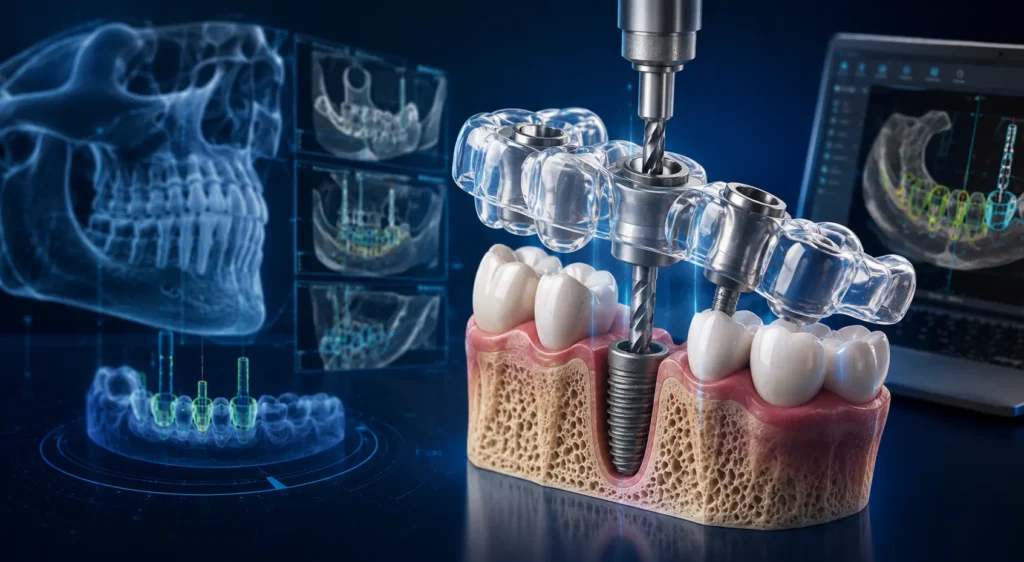
Modern implant dentistry is no longer only about placing implants into available bone. The real evolution begins when the final prosthesis becomes the starting point of treatment planning.

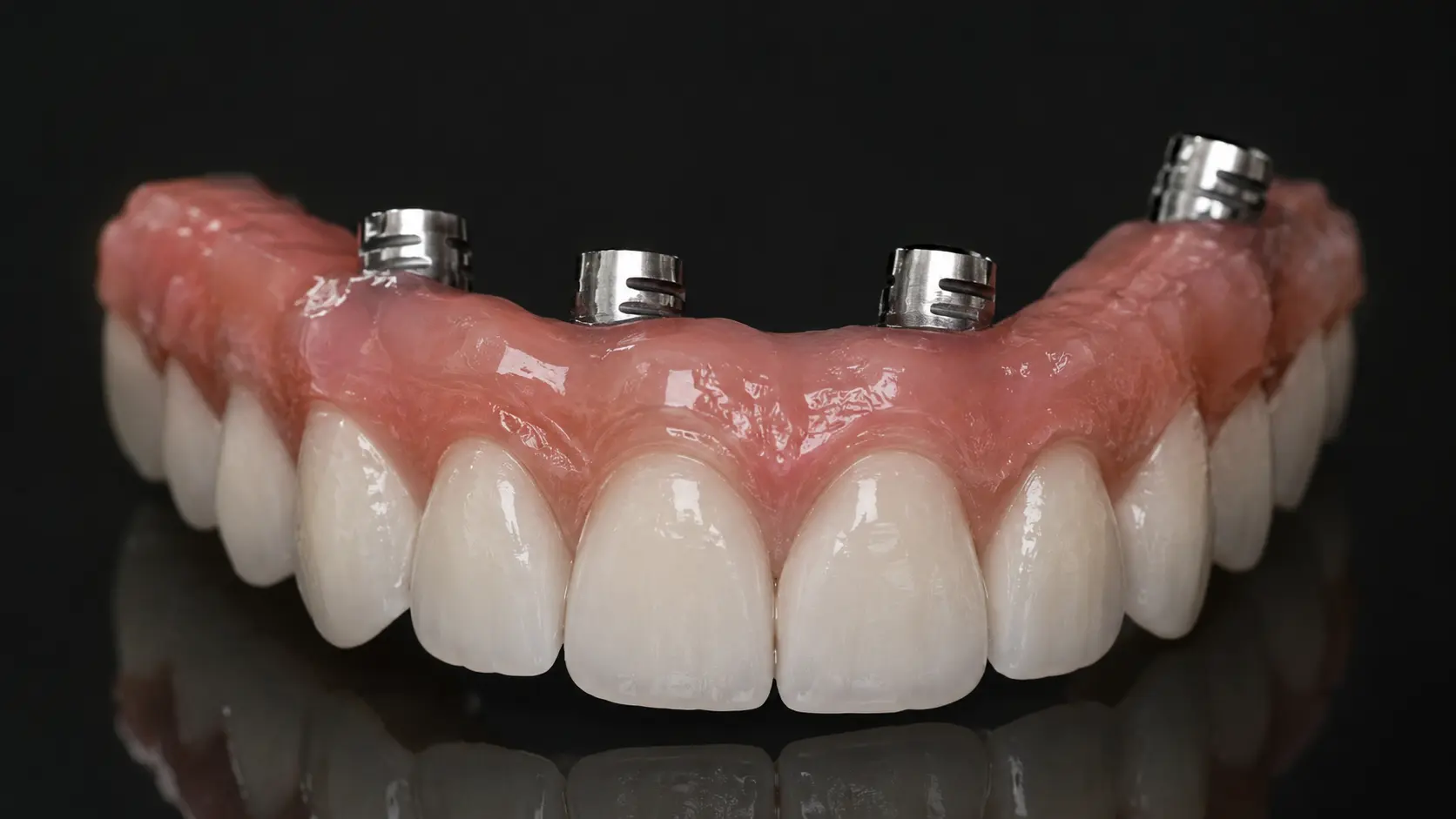
What Decision Fatigue Looks Like
For many years, implant dentistry was primarily focused on one thing — placing implants wherever sufficient bone was available. While this approach worked in many situations, it often created challenges later during the prosthetic phase. Dentists would struggle with angulated screw access, compromised esthetics, excessive adjustments, or restorations that simply did not feel natural for the patient.
Modern implantology is changing that philosophy.
Today, the final prosthesis is no longer considered the last stage of treatment. Instead, it becomes the starting point of the entire workflow. This concept is known as prosthetic-driven guided implantology.
In simple words, we plan the final teeth first — and then position the implants according to that vision.
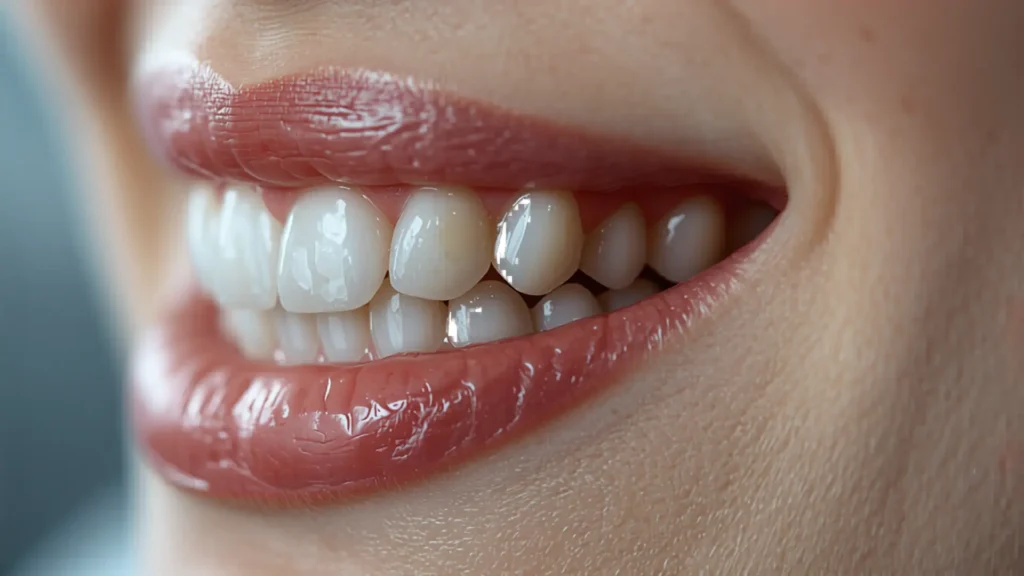
This shift may sound simple, but it completely changes how implant treatment is approached. Instead of only looking at available bone, clinicians begin evaluating the patient’s smile, facial support, bite relationship, prosthetic space, esthetic expectations, and long-term function before surgery even begins.
One of the first steps in this workflow is defining the Region of Interest (ROI). Every case has its own biological and prosthetic limitations. Understanding where the prosthetic restoration should ideally sit helps clinicians evaluate the available bone, smile line, soft tissue condition, and restorative possibilities more accurately. Whether it is a single implant or a full arch rehabilitation, the treatment plan becomes clearer when the prosthetic goal is established first.
The second important concept is understanding the standard of implant placement. Implant positioning is not only about achieving osseointegration. The angle, depth, and trajectory of an implant directly influence the prosthesis that will eventually be delivered. A poorly positioned implant may survive biologically, but can create restorative complications for years. Prosthetic-driven planning ensures that implant placement supports function, esthetics, hygiene access, and long-term stability.
Another critical part of guided implantology is validation
Digital planning software allows clinicians to visualize the final outcome before surgery, but virtual planning alone is not enough. Every implant position must be validated against prosthetic clearance, occlusion, angulation, and biomechanical loading. This becomes especially important in immediate loading and full arch cases where even minor planning errors can affect the final prosthesis.
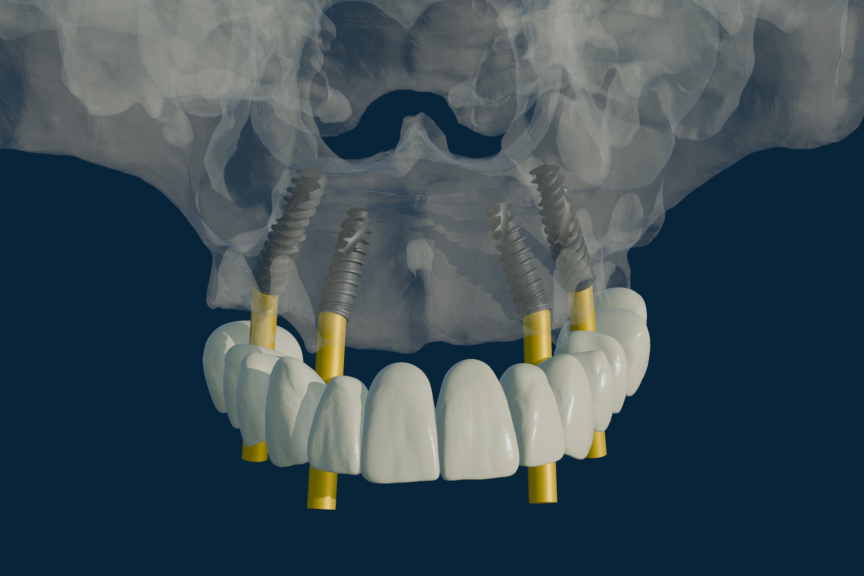
One of the most overlooked aspects in implant rehabilitation is the Vertical Dimension of Occlusion (VDO).
Many clinicians focus heavily on implant placement but underestimate the role of facial height, restorative space, and occlusal balance. Proper VDO planning influences not only function, but also facial support, speech, smile dynamics, and patient comfort. In prosthetic-driven workflows, these factors are evaluated early in the planning stage rather than corrected later during prosthetic delivery.
Equally important is maintaining a balanced bilateral relationship.
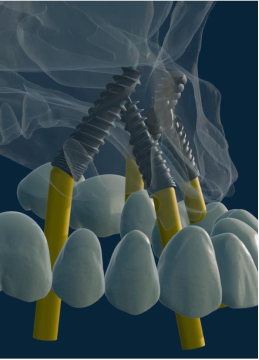
What makes modern prosthetic-driven implantology truly powerful is the integration of digital technology. CBCT imaging, intraoral scanning, smile design, virtual articulators, AI-assisted planning, and 3D printed surgical guides now allow clinicians to visualize the final prosthesis before touching the patient surgically. This level of precision was almost impossible a decade ago.
Ultimately, prosthetic-driven guided implantology is more than a surgical technique. It is a mindset. It encourages clinicians to think beyond implant placement and focus on the final functional and esthetic outcome for the patient.
The future of implant dentistry will not belong to those who simply place implants accurately. It will belong to those who understand how surgery, prosthetics, esthetics, occlusion, and digital workflows work together as one complete system.
Because in modern implantology, the real success of surgery is measured by the prosthesis that follows.