
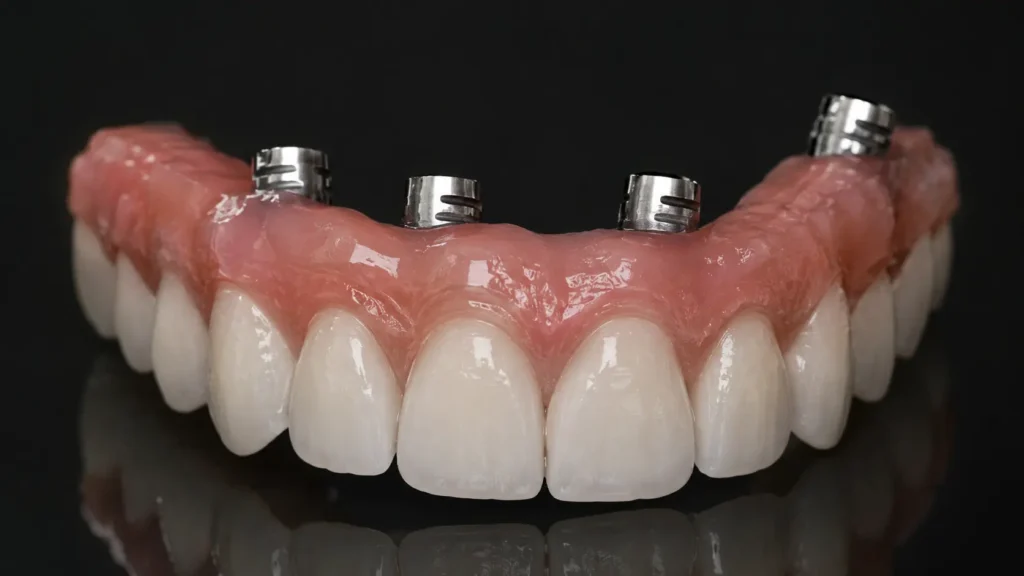
Full arch implant rehabilitation is one of the most rewarding procedures in modern dentistry. The ability to restore function, confidence, esthetics, and quality of life for a patient can completely transform both the clinician’s practice and the patient’s daily experience.

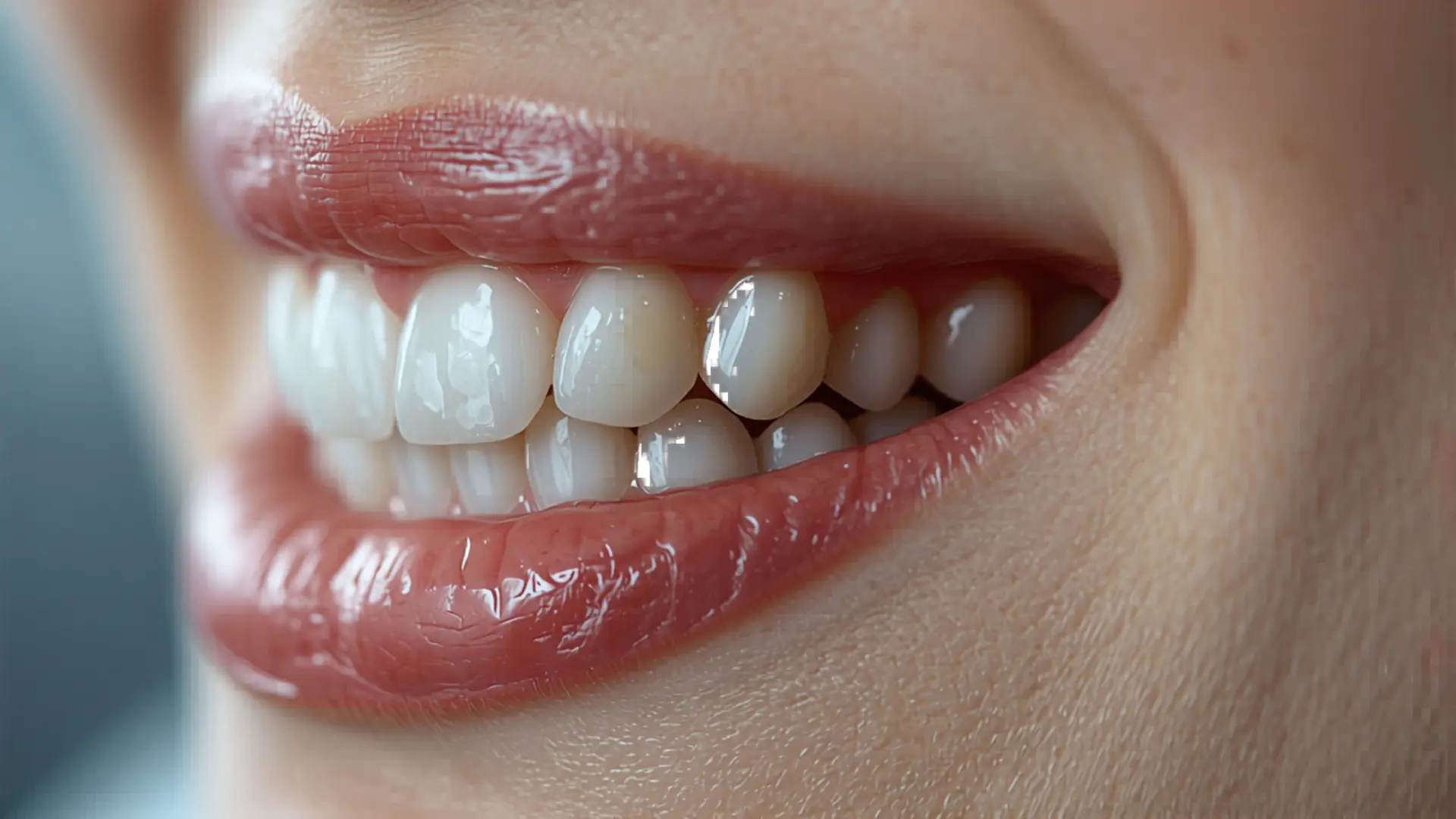
Full arch implant rehabilitation is one of the most life-changing treatments in modern dentistry.
Restoring a patient’s smile, confidence, speech, and chewing ability can create an emotional transformation that goes far beyond teeth alone.
But behind every successful full arch case lies a level of complexity that many people never see.
One of the biggest challenges dentists face is balancing surgery with prosthetic vision. In full arch implantology, success is not simply about placing implants into available bone. The final prosthesis, smile design, occlusion, facial support, and long-term function all need to work together from the beginning. Even a small planning error can create major restorative complications later.
Managing patients with severe bone loss
Another common difficulty is managing patients with severe bone loss. Many full arch patients have worn dentures for years or lost teeth long ago, leaving limited bone volume and difficult anatomical conditions. Deciding whether the case requires tilted implants, bone reduction, grafting, or advanced solutions like zygomatic implants demands both experience and careful judgment.
Immediate loading adds even more pressure. Patients today often expect fixed teeth immediately after surgery, but delivering same-day restorations requires highly accurate planning and execution. Implant positioning, primary stability, prosthetic fit, and occlusal balance all become critical. There is very little room for error.
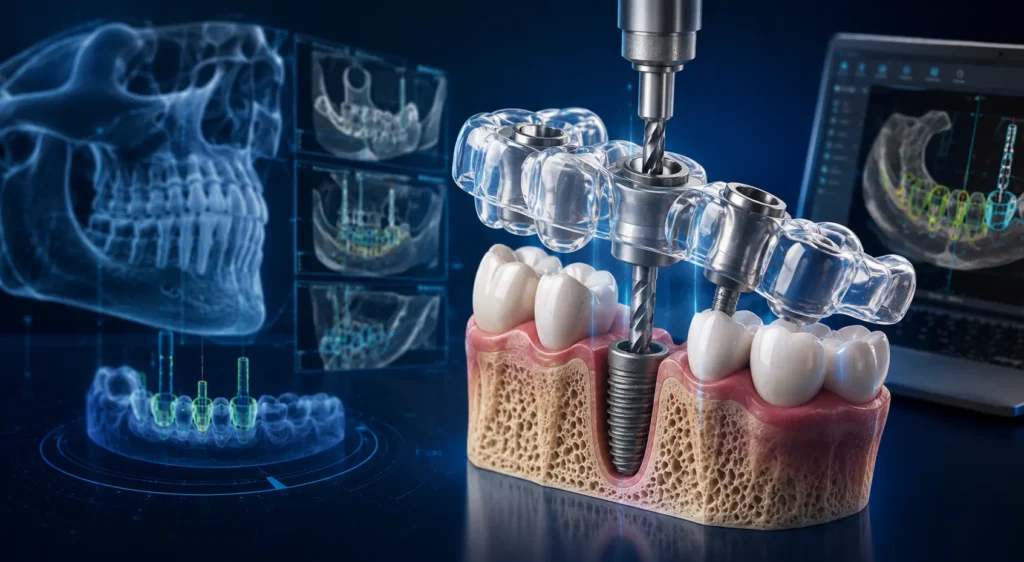
Communication is another challenge that dentists frequently underestimate. Full arch workflows involve surgeons, restorative dentists, laboratories, digital designers, and technicians working together closely. If CBCT data, intraoral scans, prosthetic planning, or surgical guides are not aligned properly, complications can quickly appear during surgery or prosthetic delivery.
Patient expectations also continue to grow. Many patients see dramatic smile transformations online and expect perfect results instantly. Dentists often carry the responsibility of balancing esthetics, biology, function, healing time, and financial limitations while still maintaining patient confidence throughout the process.
Technology has certainly improved full arch dentistry over the last decade. Guided surgery, digital smile design, AI-assisted planning, and 3D printing have made treatments more predictable than ever before. But technology alone is not the solution.
The real challenge in full arch implantology is understanding how surgery, prosthetics, function, esthetics, and patient psychology all connect together.
That is what makes full arch cases difficult — but also incredibly rewarding for the clinicians who dedicate themselves to mastering them.

Comments
adamgordon
It’s a great pleasure reading your post!
cmsmasters
Happy to be of service.
annabrown
Thanks for sharing this information is useful for us.
cmsmasters
Always happy to be of service.
miaqueen
This is awesome!!!
cmsmasters
Thanks.
cmsmasters
Happy to be of service.